
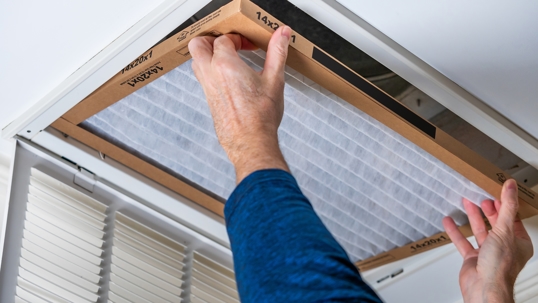
Living in Miami means dealing with year-round humidity, waves of pollen, and constant dust—all of which make your air conditioning system work harder to keep your space comfortable and healthy. The choice of AC filters in Miami can directly impact how fresh your air feels, how reliable your cooling is, and even the size of your energy bill. By understanding which filters actually perform well in South Florida’s unique climate, you can make smarter decisions for your comfort, budget, and indoor air quality.
Why AC Filters Are a Priority in Miami’s Humid Climate
Air conditioning is more than a convenience in Miami—it’s a necessity. The area’s environment puts extra pressure on filtration due to heavy pollen, airborne dust, and high humidity levels. If your AC filter isn’t up to the challenge, you’ll notice more dust settling on surfaces, more frequent allergy flare-ups, and often, musty smells from mold and mildew. Miami’s humidity provides a perfect environment for these pollutants, making proper filtration a key to keeping your living space comfortable.
A subpar filter or infrequent replacement allows contaminants to cycle through your ductwork repeatedly. This situation is especially concerning for households with children, older adults, or anyone sensitive to allergens. Unchecked, it can trigger respiratory issues, worsen allergies, and increase the risk of mold growth in both filters and ducts, compounding indoor air quality problems just when you rely on your AC most.
Beyond health concerns, a clogged or inefficient filter makes your AC system work overtime. The resulting buildup on coils and fans doesn’t just affect performance—over time, it raises your energy bills and shortens your system’s lifespan. In a region where the AC runs nearly year-round, selecting the proper filter and maintaining it regularly is an investment in both health and home value.
Which Types of AC Filters Are Best Suited for Miami Homes?
Not all air filters are created for the realities of Miami’s climate. Fiberglass filters, while affordable, offer only minimal protection—trapping larger dust particles but allowing smaller, more harmful pollutants to circulate. For many homes in Miami, especially those with allergies, pets, or young children, this isn’t enough. Pleated filters provide a significant upgrade, using increased surface area to trap more dust, pollen, and mold spores. They fit most AC systems and are often the best balance between efficiency and affordability for a South Florida household.
Electrostatic filters, which generate a static charge as air passes through, have become popular for attracting finer particles such as smoke, pet dander, and fine dust. These can be especially effective in homes with multiple pets or lots of traffic in and out. Washable filters may be tempting from a cost standpoint, but they require consistent, careful cleaning to avoid mold growth in Miami’s moisture-laden air—something many find impractical week after week.
HEPA filters have a reputation for superior filtration, capturing nearly all airborne pollutants, including bacteria and some viruses. However, most residential AC systems in Miami are not designed for HEPA filters due to their dense material, which can restrict airflow and put extra strain on your system. Before choosing a high-efficiency option, check system compatibility or contact a licensed technician to avoid inadvertently reducing your AC’s performance or efficiency.
How to Choose the Right Filter Ratings (MERV, HEPA, and More) for Miami’s Air Quality Challenges
Understanding filter ratings is essential for Miami homeowners who want to balance air quality and system performance. The Minimum Efficiency Reporting Value (MERV) measures how well a filter removes particles from the air. Filters with a MERV rating of 6 to 8 can trap basic house dust and lint but often miss finer pollutants like pollen and mold spores. Because these allergens are common in Miami, a MERV rating of 8 to 13 usually provides more effective filtration for the typical home here.
Going beyond MERV 13 or using HEPA-grade filters can remove even more particles, but there’s a trade-off. A filter that is too restrictive for your AC system can limit airflow, reduce cooling capacity, and spike your energy consumption. Homeowners should weigh their household’s health concerns and environmental exposures against the technical limits of their equipment. When unsure, consult your system’s manual or ask an HVAC technician for guidance on which filters will deliver the best results without overloading the system.
Some homeowners in Miami also seek filters that combat odors or inhibit microbial growth. Look for filters with activated carbon or antimicrobial coatings if you’re battling stale smells or frequent mold issues. These advanced features add another layer of defense but work best when combined with the right MERV rating and regular maintenance. Always ensure your choice matches your system and addresses the specific issues present in metro Miami’s dusty, humid, and allergen-heavy air.
How Often Should Miami Residents Change Their AC Filters?
Changing your AC filter regularly makes a measurable difference in both air quality and system efficiency—especially in Miami. Unlike drier or less populated regions, the humid and dusty Miami environment means most homes should plan to replace filters every 30 to 60 days. However, several factors might call for even more frequent changes, including the presence of pets, smokers, anyone with allergies, or major seasonal pollen surges.
You might notice certain warning signs that your filter is due for replacement sooner than expected. These include a visible layer of dust or dirt, a return of musty odors, an unexplained uptick in allergy symptoms, or increased dust on home surfaces. Higher energy bills and reduced cold air output can also signal an overloaded filter. These clues are clear indicators that it’s time to check and replace your filter for continued comfort and efficiency.
Special circumstances—such as a nearby construction project, renovations inside the house, or major storms that push outdoor air inside—can dramatically shorten the effective life of a filter. For homes located near busy roads or ongoing building work, it may be helpful to check filters monthly. Adopting a routine for inspections and replacements ensures your air stays as clean as possible, while your AC unit performs smoothly through the demands of Miami’s climate.
Do AC Filters Influence Energy Bills and System Lifespan in South Florida?
While it’s easy to overlook, an AC filter’s impact on your system and wallet is significant. Dirt, dust, and debris clog filters quickly in Miami, and a blocked filter forces your air conditioner to work much harder for the same results. This added strain results in higher energy usage, raising your monthly cooling bills—sometimes dramatically during peak season. Continuous operation with a clogged filter can cause motors, fans, and even electronic controls to fail prematurely, resulting in costly repairs or early system replacement.
The environmental challenges of South Florida amplify these problems. If filters do not adequately trap Miami’s dust, pollen, and biological contaminants, buildup can coat your AC’s evaporator coils. This reduces cooling efficiency, increases wear on the system, and may cause the evaporator coil to freeze or corrode. The United States Department of Energy recommends changing air filters regularly to cut cooling energy use by up to 15%. Even a simple step like this can yield real financial benefits and reduce the risk of mid-summer breakdowns.
Preventive maintenance—starting with regular filter changes—keeps HVAC systems running longer and helps avoid emergency calls. For many in Miami, tracking filter replacements alongside annual tune-ups forms the backbone of an efficient, reliable cooling strategy. Consistent care keeps operating costs under control and extends repairs or replacement timelines, an advantage in a region where summer seems to last all year.
Are Premium AC Filters Worth Buying for Miami’s Unique Needs?
The decision to pay more for a premium filter can be confusing. Some Miami homeowners assume that only the most expensive options deliver results, but the truth is more nuanced. For households affected by allergies, pet dander, or chronic respiratory concerns, investing in a higher-MERV or enhanced filter can produce measurable improvements in air quality and daily comfort. Features like carbon layers or antimicrobial coatings are especially valuable if you want to reduce odors or guard against mold.
Still, not every AC system is built to handle filters with extremely high efficiency. Using a premium filter that exceeds your system’s airflow capacity might cause additional problems, from frozen coils to higher electric bills. Instead of simply picking the top end of the range, review your system’s specifications and consider the most prevalent air quality threats in your home. Often, a quality pleated filter with a MERV rating between 8 and 11 strikes the right balance between protection and affordability for the average Miami property.
If you’re unsure, reach out to a reputable HVAC provider that values honesty and transparency. At Emergency AC Corp, we communicate clearly about what each filter type and rating provides, their costs, and any pros or cons for your specific AC system. This ensures you get truthful advice rather than unnecessary upselling, so you receive real value for your investment in cleaner air and system longevity.
How to Tell If Your AC Filter Is Harming Indoor Air Quality in Miami
Sometimes, poor air quality worsens gradually, and it can be hard to link health symptoms or odors to an AC filter. If you start noticing more dust than usual, persistent sneezing, or allergy flare-ups that don’t improve with over-the-counter remedies, your filter might be underperforming or overdue for a change. Unusual smells, especially those that linger after using your air conditioner, often signal trapped mold or a clogged filter distributing particles throughout your home.
Check for visible dust streaks around vents, an increase in cleaning frequency, or dark deposits along vent covers. These signs indicate that air is either bypassing the filter or the filter itself is no longer trapping contaminants effectively. Residents affected by worsening respiratory symptoms—especially during peak pollen months or after heavy storms—should consider upgrading their filter or increasing the replacement frequency.
If these steps don't yield results, schedule an inspection to determine whether ductwork, coils, or more advanced filtration solutions are needed. Our team at Emergency AC Corp prioritizes clear communication and supports your decisions with detailed air quality assessments. Our hands-on approach makes it easy to understand what’s going on in your system and which solutions make sense for your home’s layout, location, and needs.
DIY vs. Professional AC Filter Replacement Services
Swapping out a residential AC filter can be a quick project with the right information, but small mistakes during DIY replacements sometimes lead to bigger issues. Locating your filter, paying attention to orientation (airflow direction), choosing the correct size, and making sure no gaps exist around the filter are essential. Incorrect installation can cause unfiltered air to circulate, force the system to strain, or even damage internal parts.
For Miami homeowners with complex HVAC setups, multiple return vents, or advanced filtration systems, professional filter replacement offers several benefits. Trained technicians ensure that filters fit exactly as intended, identify problems such as warped panels or air leaks, and clean or inspect key HVAC components for early warning signs of trouble. Older, custom, or zoned systems particularly benefit from professional attention, helping to maintain optimal airflow throughout large or multi-story homes.
If you prefer the DIY route, we encourage you to keep a schedule for replacements and check that you’re using the best filter for your system type. For anyone who isn’t sure which filter fits, how to install it, or when to replace it, our team at Emergency AC Corp is always available for guidance without pressure. Whether you want to handle filter changes yourself or prefer annual agreements for routine service, consistent attention makes all the difference in Miami’s demanding air quality environment.
Why Miami Homeowners Trust Emergency AC Corp for AC Filter & Indoor Air Quality Solutions
When AC and air quality issues happen, Miami residents want a team that truly responds—not just promises a callback. Emergency AC Corp provides round-the-clock access to licensed, bonded, and insured technicians ready to help, not a third-party answering service. We know Miami’s environment inside and out, and we tailor recommendations to the exact needs of your property—whether simple filter changes or advanced solutions for indoor air comfort.
Our team is continually trained on new HVAC technologies, methods, and regional air quality trends, so we’re prepared for Miami’s latest challenges. We support residential, commercial, and industrial properties with everything from rapid filter replacements to thorough air quality assessments. With more than 30,000 satisfied customers across South Florida, we deliver service built on decades of hands-on results and honest communication.
If you’re looking to improve your air quality, manage allergy symptoms, or simply keep your AC running comfortably in Miami’s climate, call (855) 783-2080. Our commitment to transparency, honest pricing, and complete satisfaction make us the logical choice for filter service, replacement, and air quality solutions whenever you need support.