
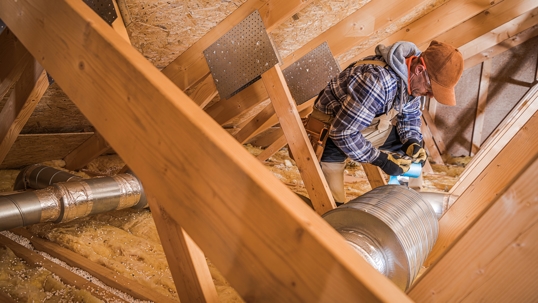
In Miami, where humidity and warm temperatures are the norm, preventing mold growth in air conditioning units is a real concern for homeowners, landlords, and property managers. Mold buildup in AC systems can compromise air quality, impact health, and shorten the lifespan of expensive equipment. When you notice musty odors, unexplained allergy symptoms, or suspicious stains near your vents, you may already be experiencing the effects of mold in your air conditioning system. Understanding exactly why mold thrives in this climate, and taking the right steps to prevent it, can help you protect your comfort and health all year long.
What Causes Mold to Grow in Miami AC Units?
South Florida’s persistent high humidity provides the ideal environment for mold to develop in air conditioning systems. Mold spores are everywhere in the atmosphere, but they particularly flourish when moisture is allowed to linger. When warm, humid air circulates across your unit’s cooling coils, moisture condenses and collects. If water does not drain properly or the area remains damp, these conditions directly encourage mold growth on coils, in drain pans, or inside ductwork.
Air conditioning systems in Miami homes and businesses often run continuously, causing interior system surfaces to remain cool and moist. Poorly insulated or ventilated units further increase condensation and dampness, while gaps in ductwork can allow outdoor humidity and organic debris inside. Over time, accumulated dust, pet hair, or insulation fragments mixed with constant moisture transform AC components into breeding grounds for mold and bacteria.
When routine maintenance slips—such as missing filter replacements, ignored drain line clogs, or overflowing drip pans—moisture and organic matter accumulate, compounding the risk. In large buildings, hidden corners and infrequently accessed ductwork create safe havens for mold colonies to thrive. That is why effective AC mold prevention in Miami means staying proactive with system upkeep and targeting the unique local climate conditions that fuel mold growth.
How Can You Identify Mold in Your AC Unit?
Detecting mold in your air conditioning unit begins with noticing changes in your environment. A strong musty odor is often the earliest sign, particularly when first turning on the AC. This smell can become more pronounced after a rainstorm or if rooms have been closed up. Physical evidence may also appear as dark spots, slimy patches, or fuzzy residues around air vents, intake grilles, or the inside of the unit.
Health symptoms linked to mold exposure tend to appear before mold is visibly noticeable. Residents might experience sneezing, itchy eyes, chronic coughing, or increased asthma attacks when the AC runs. If symptoms improve upon leaving the premises, airborne mold spores could be to blame. Vulnerable groups, such as children, seniors, and those with allergies, will often be the first to react to changes in indoor air quality.
Mechanical warning signs can also signal problems. An unexplained drop in cooling efficiency, increased indoor humidity, or water pooling beneath the air handler may indicate hidden mold issues. Multiple complaints from occupants in a multi-unit building should be taken seriously, especially if they coincide with periods of high humidity or prior water leaks. In these situations, a professional inspection can pinpoint hidden sources of contamination and inform the next steps for remediation.
Why Is Mold in AC Units a Major Issue for Miami Residents?
The presence of mold inside an AC system is not a minor inconvenience in Miami’s climate. Mold spores can aggravate respiratory conditions, trigger allergy symptoms, and produce chronic health effects, especially with year-round exposure. Since AC units cycle air through the entire building, they can spread spores far and wide—worsening symptoms for susceptible family members, employees, or tenants.
Mold also degrades the performance and reliability of HVAC equipment. As colonies grow on evaporator coils, filters, and duct linings, airflow becomes restricted and energy efficiency drops. This means higher electricity bills and increased wear on system components, sometimes resulting in premature failure that requires full replacement. Moisture and mold can also lead to costly water damage, such as stained ceilings, warped floorboards, or damaged drywall and insulation.
Legal and financial risks can escalate for Miami property owners, landlords, and managers who fail to address mold problems. Local ordinances and state laws require safe, healthy living and working environments. Unaddressed mold can lead to tenant complaints, loss of rental income, lawsuits, code violations, or even involuntary vacancies if conditions become uninhabitable. Consistent, documented maintenance is key to staying compliant and protecting your investment.
What Should You Do Immediately If You Suspect Mold in Your AC?
If you believe there may be mold in your AC, swift action prevents further contamination and protects your air quality. Start by turning off the AC unit if it is safe to do so, especially if the odor worsens when the system is running or if you can see mold on vents or drain pans. Avoid the temptation to clean the mold yourself, as using the wrong products or disturbing spores can worsen the situation and spread contamination.
Document what you notice by taking photos and writing down details about odors, visible growth, or symptoms experienced by building occupants. This information is helpful for certified HVAC professionals and can also provide backup if you need to file maintenance reports, insurance claims, or communicate with landlords. Avoid using central fans that may distribute spores, and keep vulnerable populations—like individuals with asthma, the elderly, or children—out of affected areas until the situation is addressed.
Improve airflow and reduce humidity in unaffected areas by opening windows if weather permits or by using portable dehumidifiers. Do not direct airflow onto moldy surfaces, as this can spread spores. Promptly contact a licensed AC service provider, such as Emergency AC Corp, for a detailed inspection and recommendations. Acting quickly stops mold from gaining a foothold, keeps the problem contained, and helps maintain indoor comfort and air safety.
What DIY Methods Actually Prevent Mold Growth in AC Units?
Prevention is the single most effective approach for stopping mold before it starts in Miami air conditioners. Simple, consistent home maintenance goes a long way. Change AC filters every one to three months—more frequently if you have pets, allergies, or live near ongoing construction. Use high-quality, mold-resistant filters that capture both pollen and fine dust particles, especially during Miami’s wet season.
Regularly clean and maintain AC drain lines to avoid backups that can lead to standing water. Once a month, pour a mixture of white vinegar and hot water through the drain line to clear algae and minor blockages, reducing the likelihood of water pooling inside your system. Inspect and dry condensate pans every month, ensuring they are properly tilted for drainage and show no signs of mold or residue buildup.
Thermostat settings can impact humidity and moisture inside your home or business. Set the system to maintain a steady temperature, avoiding aggressive on-and-off cycles that allow humidity to spike. Use a standalone dehumidifier during periods of heavy rain or high humidity, and keep interior doors and air vents open to promote airflow. If you detect leaks or damp spots, address them immediately instead of hoping they dry on their own—water left standing is always an invitation for mold.
Here are essential steps for ongoing DIY mold prevention:
- Replace AC filters every 1–3 months with mold- and allergen-resistant models.
- Flush drain lines monthly with vinegar and water solution.
- Wipe and inspect drip pans regularly for moisture buildup and mold spots.
- Keep supply and return vents unobstructed for optimal airflow.
- Maintain consistent temperature and humidity settings.
- Address any leaks, clogs, or unusual odors as soon as they appear.
When Should You Call for Professional Help with AC Mold?
Persistent mold, frequent recurrences after cleaning, or visible mold deep inside your AC equipment call for professional assessment and remediation. Certified technicians use advanced diagnostic tools to locate and evaluate mold hidden in coils, ducts, and other interior spaces. Partnering with a fully licensed and insured business like Emergency AC Corp ensures you have qualified help, especially when emergencies arise late at night or over weekends.
Professionals rely on EPA-approved products to safely clean HVAC components and remove contaminated ductwork or insulation as needed. Their approach often includes the use of negative air pressure machines and HEPA filtration vacuums to keep spores from spreading. For buildings with larger or more complex AC systems—like condos, offices, or retail properties—professional crews are equipped to provide deep disinfection, coil cleaning, and even ultraviolet (UV-C) treatment to stop spores in their tracks.
After remediation, ongoing maintenance plans prevent future outbreaks by keeping drain lines, coils, and ductwork clean and dry. Comprehensive service agreements allow property managers, business owners, and families to schedule regular inspections and cleaning on a timetable that fits their needs and usage. With both HVAC and plumbing services available through Emergency AC Corp, you benefit from a single point of contact for complete comfort and system reliability, no matter what Miami’s climate brings.
How Does Humidity & Ventilation Impact Mold Growth in Miami Buildings?
Humidity management sits at the heart of preventing mold outbreaks in Miami homes and businesses. When indoor humidity stays high—typically above 60%—condensation forms easily and gives any nearby mold spores the moisture they need. Operating exhaust fans in bathrooms, kitchens, and laundry rooms helps expel humid air, but these fans should vent directly outdoors and not into attics or crawlspaces, where trapped moisture can encourage mold in hidden places.
Dehumidifiers provide an immediate reduction in indoor moisture. Whole-house or portable dehumidifiers help keep humidity in check, creating less hospitable conditions for mold. Smart thermostats and humidity sensors allow property owners to track in real time, automatically adjusting settings to respond to Florida’s frequently shifting weather. This technological edge offers reassurance for building owners looking for cost-effective ways to manage comfort year-round.
In larger or multi-unit buildings, balanced ventilation systems deliver a constant exchange of indoor and outdoor air, preventing stagnation and buildup of excess moisture. Variable-speed air handlers and programmable HVAC controls adapt energy usage to occupancy and environmental changes. With the relentless humidity and sudden rain showers Miami residents face, investing in effective ventilation not only protects AC components against mold but also improves overall air quality and indoor comfort for families and building occupants.
What AC System Upgrades Protect Against Mold in Miami?
Technological advancements make it easier to combat mold at the source in Miami AC units. Ultraviolet (UV) light purification systems fitted inside air handlers or ducts continuously treat circulated air, disrupting mold spore growth before it takes hold. These systems operate quietly and require minimal maintenance, making them suitable for homes and businesses with busy schedules and high occupancy.
Antimicrobial ductwork or mold-resistant coatings applied to new or existing ducts provide additional barriers against spore settlement and organic buildup. Upgrading insulation on exposed cold surfaces—including pipes, pans, and supply lines—ensures that condensation evaporates instead of lingering, which helps to block mold before it can take root. High-efficiency filters used in conjunction with regular maintenance keep more debris and allergens from entering your AC system, protecting vulnerable internal components.
Upgraded AC systems with variable-speed compressors and advanced moisture controls offer improved humidity management and energy savings in the long term. When choosing between HVAC repair or replacement, work with a service provider who understands modern options for both residential and commercial needs. Adapting your property to Miami’s specific environmental challenges with the latest technology can prevent persistent mold problems, simplify compliance, and support healthier air for everyone inside.
What Are Miami’s Legal Responsibilities for Mold Prevention in AC Units?
Property owners in Miami are legally obligated to maintain safe and habitable conditions for residents, employees, and visitors. State and local laws require landlords to address water leaks, excessive moisture, and mold promptly to prevent harm and safeguard habitability. Tenants are entitled to request inspections and repairs if mold growth is suspected, and property managers must respond reasonably or risk facing claims or regulatory penalties.
Commercial property owners have duty-of-care requirements as well. Many insurance policies demand regular AC and moisture inspections, with potential consequences for failing to document preventive efforts or ignoring recurring mold complaints. As public health awareness grows, local codes and ordinances increasingly reference indoor air quality, meaning heating maintenance has become more critical for compliance and continued use of a space.
Working with licensed, bonded, and insured HVAC service providers is not just a wise choice but a form of documented risk management. Maintenance agreements and detailed service records provide protection if questions arise about response times or care measures taken. For property managers responsible for multiple buildings, relying on a single, reliable partner like Emergency AC Corp simplifies compliance with the maze of regulations involved in Miami mold prevention.
How Can Routine Maintenance Contracts Prevent AC Mold in Miami?
Scheduled AC maintenance is one of the most reliable defenses against mold in Miami’s muggy climate. By arranging for regular visits from licensed professionals, you ensure that tasks like cleaning coils, inspecting ductwork, clearing drain lines, and checking insulation are never forgotten. Proactive care allows early detection of small leaks, water stains, or subtle humidity spikes that could invite mold if ignored.
For busy families, landlords, or commercial property owners, maintenance contracts eliminate guesswork. Service intervals are managed for you, often focusing on rainy seasons or periods of heavy usage that align with Miami’s weather patterns. Providers committed to rapid response, thorough inspections, and transparent pricing help prevent disruptive surprises and long-term damage to your property and reputation.
Documented, professional maintenance also supports compliance with insurance and legal requirements, enabling you to show a clear record of preventive action. Whether you oversee a single condo or a portfolio of commercial spaces, choosing a partner with both HVAC and plumbing capabilities streamlines maintenance and gives you confidence that your systems will keep running clean and safe for years to come.
Debunking Common Myths About Mold in Miami AC Systems
Several misconceptions can make AC mold problems worse for Miami residents. One widespread myth is that running your air conditioner nonstop prevents mold, but in fact, continuous operation can lead to condensation buildup if upkeep is lacking. Many also believe that household bleach or scented sprays are adequate solutions; however, these typically only address surface stains and ignore spores hiding in ducts or mechanical parts.
Another false belief is that visible mold is the only danger. Hidden growth deep inside drain lines, ductwork, or insulation often causes indoor air problems long before visual evidence appears. Unexplained allergic responses or chronic headaches may actually indicate a problem before you see any spots or stains. Ignoring these signals increases the risk of wide-scale contamination and higher remediation costs down the line.
Finally, some assume that mold in air conditioning is harmless or a minor inconvenience. In reality, unaddressed mold can damage property, accelerate system breakdowns, and compromise the health of everyone inside. Miami’s unique humidity profile means you need an informed, proactive approach—guided by science and supported by skilled, accessible professionals dedicated to keeping your indoor air fresh and your AC system healthy.
Protecting your Miami property and health from mold in your AC system means staying vigilant, informed, and proactive. For timely, knowledgeable maintenance or detailed inspections, reach out to Emergency AC Corp—your local partner committed to responsive, trustworthy service and solutions. To schedule a maintenance visit or learn more about AC mold prevention strategies tailored to Miami’s climate, call (855) 783-2080 whenever you need us most.